Seasonal Hair Trends for the Current Season Cuts Colors and Styling Tips
Hair trends are at their best when they feel wearable. This season, the mood is less about dramatic reinvention and more about shape, softness, shine, and clever colour placement. Cuts have movement without looking overworked. Colours feel expensive without demanding salon visits every three weeks. Styling looks polished, but not stiff.
For late summer into early autumn, hair is shifting with the weather. Sun-lightened ends, dry lengths, grown-out fringes, and holiday colour all need a refresh. The good news is that the strongest looks right now work across many hair types, from fine straight hair to thick curls, coils, waves, and textured crops.
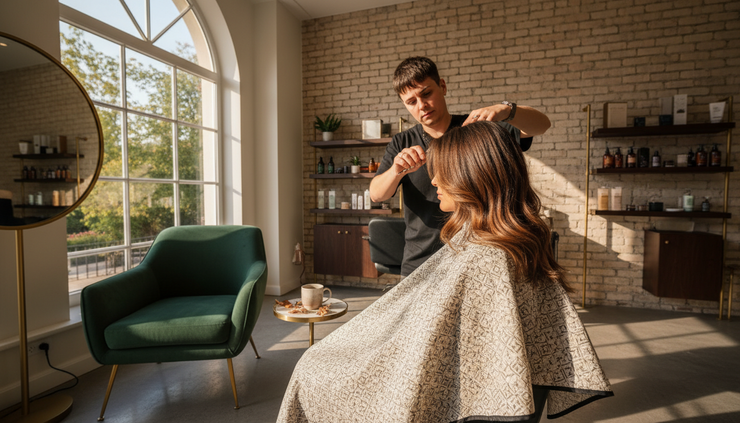
The season’s hair mood is polished but relaxed
The current season favours hair that moves. Heavy, flat styles are giving way to light layers, brushed-out texture, glossy finishes, and colour that grows out gracefully. That does not mean every look is low maintenance, but the aim is to make hair feel intentional rather than forced.
A senior salon stylist might sum it up like this:
“The best seasonal hair updates do not fight the hair. They improve the shape, refresh the tone, and make daily styling easier.”
That idea runs through the main trends. Cuts are designed to bring out natural texture. Colour is placed where it adds lift around the face. Styling techniques focus on condition and touchable hold, not crispy product buildup.
This is also why consultations matter. A sharp bob on dense, straight hair behaves very differently from the same bob on springy curls. A copper gloss on warm brunette hair lands differently from copper on an ash blonde base. The trend only works if it meets the hair where it already is.
Popular cuts are all about shape and movement
The biggest haircuts this season have structure, but they are not severe. They create shape around the face, remove weight where needed, and give hair a style even before hot tools come out.
The softly layered bob
The bob is still everywhere, but this season’s version is less blunt and more fluid. Think jaw to collarbone length, with soft internal layers that stop the shape from looking triangular or heavy.
For fine hair, a slightly blunt baseline keeps the ends looking full. For thick hair, hidden layers remove bulk without making the style look choppy. On wavy hair, a bob that sits just below the chin can bring out natural bends beautifully.
Maintenance tip: book trims every 6 to 8 weeks if the bob sits above the shoulders. Shorter shapes lose their line quickly, especially around the nape.
The modern shag
The shag has softened. Instead of extreme rock-and-roll layers, the current version has a grown-in fringe, cheekbone pieces, and airy movement through the crown. It works especially well on wavy, curly, or medium-density hair because it lets texture do the work.
For straight hair, a stylist may cut more visible layers to create movement. For curls, the layers need to be placed curl by curl so the shape does not collapse.
Maintenance tip: use a light mousse or curl cream, then air-dry or diffuse. Heavy oils can flatten the crown and make the style lose its lift.
The Italian-inspired crop
Short hair is moving towards fuller, softer crops. Instead of a severe pixie, the current crop has length through the top, a gentle fringe, and a neat but not over-sharpened outline. It looks chic with natural texture and grows out more gracefully than very cropped styles.
This is a strong option for anyone who wants less heat styling. The cut does the talking, especially when paired with a shine cream or light styling paste.
Maintenance tip: short crops need regular shaping. A quick salon tidy every 4 to 6 weeks keeps the neckline and fringe fresh.
Long layers with face-framing pieces
For those keeping length, the update is all in the front. Long layers, curtain fringes, and cheekbone-skimming pieces add interest without sacrificing inches. This style works well after summer, when ends may be dry but the overall length still feels precious.
A stylist will usually keep the shortest pieces long enough to tie back. That makes the cut practical for work, gym days, and rainy weather.
Maintenance tip: use a round brush or a large hot brush only around the front sections. You do not need to heat-style the whole head to make the haircut look fresh.

Hair colour is warmer, softer, and easier to grow out
Colour trends this season are rich rather than loud. Even brighter tones are being softened with glosses, smudged roots, and fine placement. The result feels expensive and wearable.
Spiced brunette
Brunette hair is warming up with cinnamon, espresso, chestnut, and soft caramel tones. Instead of heavy stripes, stylists are using fine ribbons of colour to add depth. This is a great choice for hair that has gone flat or dull after sun exposure.
For dark hair, subtle warmth near the mid-lengths and ends can lift the whole face. For very dark brunette or black hair, a gloss can add shine without a major colour change.
Maintenance tip: use colour-safe shampoo and avoid washing with very hot water. Warm brunette tones can fade quickly if hair is washed daily.
Buttery blonde
Cool, icy blonde is taking a step back. Creamier blondes, beige tones, and soft buttery highlights feel more seasonal and more forgiving. They also tend to look kinder against slightly warmer autumn wardrobes.
For natural blondes, a gloss may be enough. For darker bases, a colourist may suggest balayage or fine highlights rather than full bleach.
Maintenance tip: purple shampoo should be used carefully. Too much can make buttery blonde look dull or grey. A moisturising mask is usually more useful than constant toning.
Copper and apricot glosses
Copper remains popular, but this season it is softer. Apricot, strawberry copper, peachy gold, and burnished auburn tones are appearing as glosses, glazes, and semi-permanent refreshes.
This works beautifully on warm blondes, light brunettes, and redheads who want more glow. On cooler skin tones, a stylist may make the copper softer or add beige to keep it balanced.
Maintenance tip: red and copper molecules fade faster than many shades. Wash less often where possible, use a colour-depositing conditioner if recommended, and protect hair from heat.
Lived-in balayage
Balayage is not going anywhere, but the placement is more refined. The face frame is brighter, the root is softer, and the ends are toned to look healthy rather than bleached-out.
This is one of the easiest colour techniques to maintain because the grow-out is gentle. It suits straight, wavy, curly, and coily hair, although placement should change depending on how the hair falls.
Maintenance tip: plan gloss appointments between major colour sessions. A gloss can revive tone and shine without the time or cost of a full colour service.
Styling techniques are focused on texture and shine
The best styling this season looks touchable. Hair can be smooth, curly, bouncy, or cropped, but it should never look overloaded with product.
The soft bend
The soft bend is the cooler cousin of beach waves. It has movement through the mid-lengths, straighter ends, and a less “done” finish. It works on bobs, lobs, and long layers.
Use a straightener or tong to create gentle bends, changing direction as you go. Leave the ends out for a modern finish. Brush through once the hair cools.
Best for: straight to wavy hair, medium and long bobs, layered cuts.
The polished air-dry
Air-drying has become more intentional. Instead of leaving hair to chance, apply the right product, shape the hair while damp, and let it dry with support.
For waves, use a light cream and scrunch upwards. For curls, layer leave-in conditioner with gel. For coils, use a richer cream or butter, then twist, braid, or define sections as needed.
Best for: wavy, curly, and coily textures, especially when reducing heat damage.
The glossy blowout
The blowout is back, but it is softer than the high-volume versions of past years. The finish is smooth at the root, curved through the lengths, and glossy at the ends.
A hairstylist’s practical advice is simple:
“If the hair is not prepped properly, the style will not last. Heat protection, tension, and cooling time matter more than using the hottest setting.”
That cooling time is key. Let each section cool around a brush or roller before dropping it. The shape lasts longer and the hair looks smoother.
Best for: layered cuts, fine to medium hair, and anyone who wants a polished finish without tight curls.

How to adapt the trends for different hair types
A good trend should bend to fit the hair, not the other way round. The same seasonal haircut or colour can look very different depending on texture, density, and condition.
Hair type | Best seasonal updates | What to ask for |
Fine straight hair | Blunt bobs, soft face-framing, buttery gloss | A strong baseline with light layers only where needed |
Thick straight hair | Collarbone cuts, internal layers, spiced brunette tones | Weight removal that does not thin the ends too much |
Wavy hair | Modern shags, long layers, lived-in balayage | Layers that encourage bends and reduce bulk |
Curly hair | Rounded layers, curl-by-curl shaping, copper gloss | Dry or texture-aware cutting and gentle colour placement |
Coily hair | Sculpted crops, tapered shapes, rich gloss finishes | Shape that respects shrinkage and keeps moisture in mind |
Textured protective styles | Soft colour accents, face-framing pieces, glossy finishes | Low-tension styling and hydration-focused maintenance |
Fine hair often needs shape without too many layers. Over-layering can make the ends look thin. A bob, lob, or long cut with a full perimeter usually works best.
Thick hair needs balance. Removing weight from the wrong place can cause puffiness, while leaving too much weight can make hair hard to style. Internal layers are often better than obvious choppy layers.
Curly and coily hair need special attention to shrinkage, density, and curl pattern. A fringe that looks brow-length when stretched may sit much higher when dry. Colour also needs care because textured hair can be more prone to dryness if over-processed.
For protective styles, seasonal trends can come through in colour, parting, length, or finish. Soft copper accents, glossy brunette tones, and face-framing pieces can update the look without compromising hair health.
Maintenance makes the trend look expensive
The difference between a trend that lasts and one that fades after the first wash is maintenance. Salon work sets the foundation, but daily care keeps it looking fresh.
Build a simple routine around these basics:
Use heat protection every time
Blow-dryers, tongs, straighteners, and hot brushes all need a barrier product. Apply it evenly, not just on the top layer.
Refresh colour with gloss, not constant dye
A gloss can revive shine and tone while keeping the overall colour soft. Ask your stylist how often your shade needs refreshing.
Trim before the shape collapses
Bobs, crops, and fringes need more frequent trims. Long layers can often stretch longer, but split ends travel if ignored.
Match shampoo to the hair, not just the colour
Colour-safe formulas help, but texture matters too. Fine hair may need lightweight moisture. Coily or bleached hair may need richer care.
Sleep smarter
A silk or satin pillowcase can reduce friction. Loose braids, pineapple wraps, or soft scrunchies can also preserve shape overnight.
Do not overload products
Seasonal styles rely on movement. Start with a small amount, then add more only if the hair needs it.
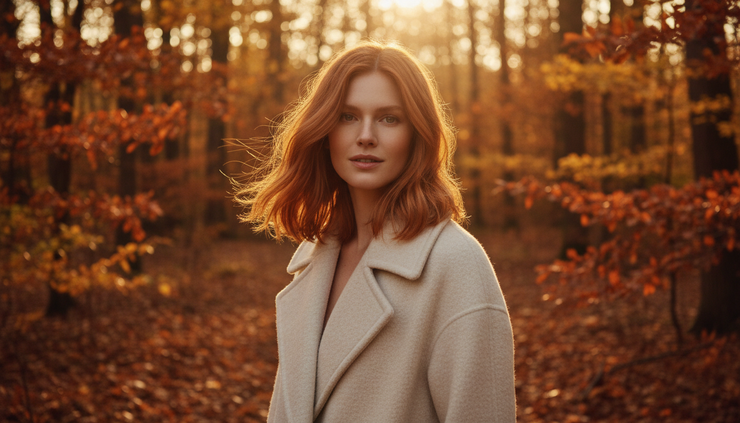
The easiest way to choose a seasonal update
The most successful seasonal hair change usually comes from choosing one focus. Change the shape, the colour, or the styling routine. Trying to do all three at once can feel exciting in the salon chair, then overwhelming at home.
For a low-commitment refresh, try a gloss, a fringe trim, or brighter face-framing pieces. For a bigger change, move towards a bob, shag, crop, or warmer colour family. If hair feels dry after summer, start with a treatment and trim before any major colour work.
Bring reference photos to the salon, but bring photos of your own hair too. Show how it looks air-dried, tied back, and on a normal day. That gives the stylist a realistic view of texture, density, and routine.
The season’s best hair trends are not about copying one exact look. They are about finding the version that makes the hair feel healthier, easier, and more expressive. A soft layer, warmer tone, glossy finish, or new fringe might be all it takes to make the whole style feel current again.


Comments